Konark Sun Temple Travel Guide: Best Places to Stay, How to Reach, Best Time & Travel Tips
September 3, 2026
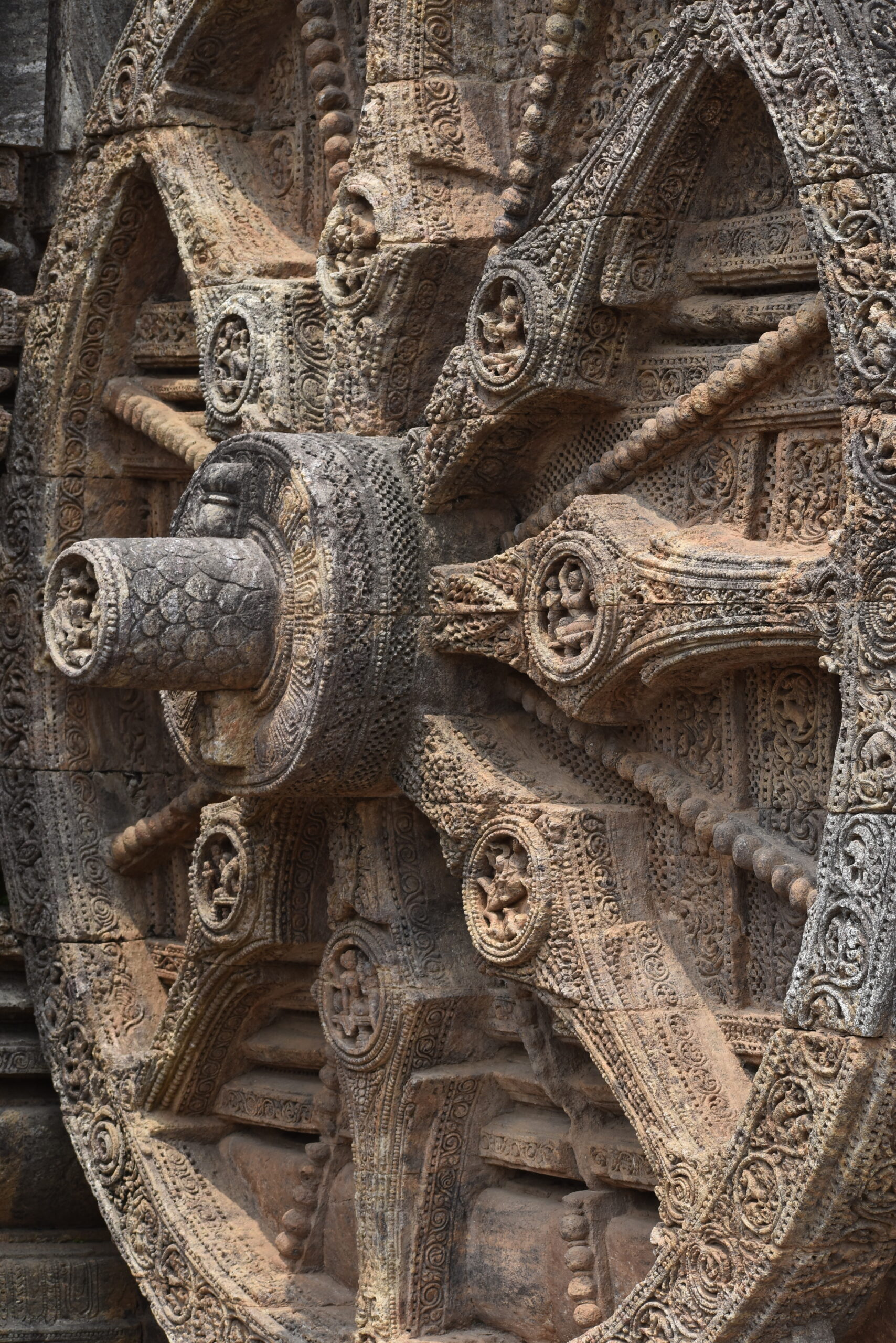
The temple was built on 13th Century (1205 AD) and dedicated to Sun God. Built by Raja Narasingha Deva1 of the Ganga Dynasty. This is most popular tourist destination in Odisha. Sun Temple is well connected with Puri (Just 35Km) and Bhubaneswar (65 km) by road. This ancient temple has unique style of architecture, has reflects the contemporary life and activities of Hindu Kingdom in Odisha.
History of Temple –
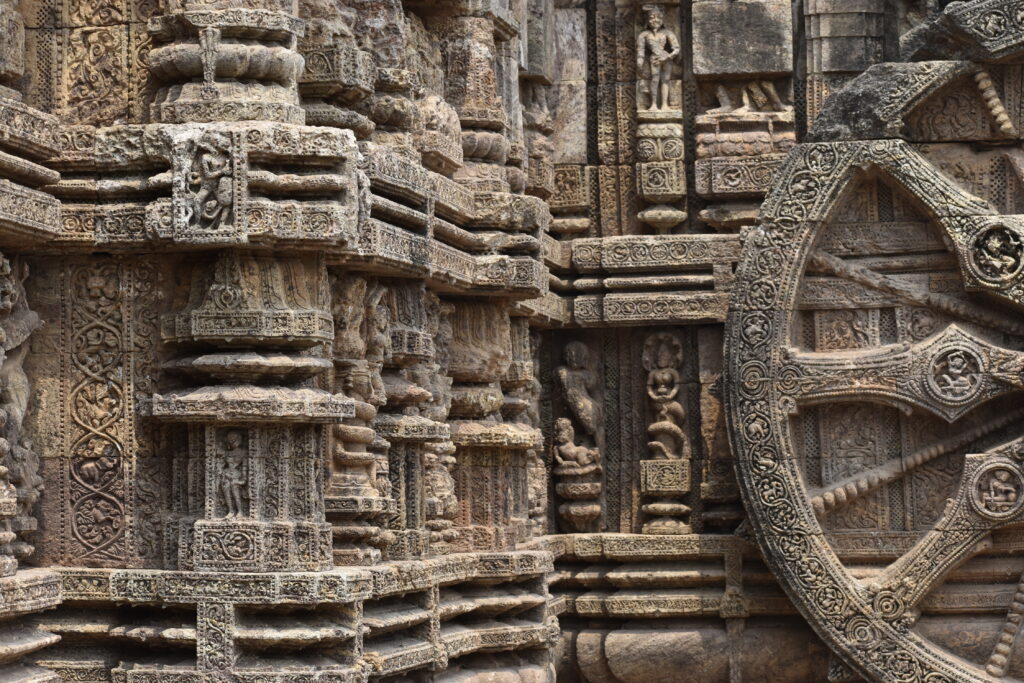
Konark is also known as “KONADITYA” the name is derived from words — “KONA”, means Corner and “ARKA” means Sun. In Sanskrit, the Sun god has many name like Arka, Surya, Aditya, Udaya, Heramba & many more. The giant shape chariot with seven horses and 12 wheels on both sides. The seven horses, in front of temple which pull the temple means the days of the week. The 12 pairs of wheels represent the 12 months of year and eight spokes in each wheels is the eight ideal stages of a women’s day.
Konarak/Sun Temple- An Architectural Jewel –
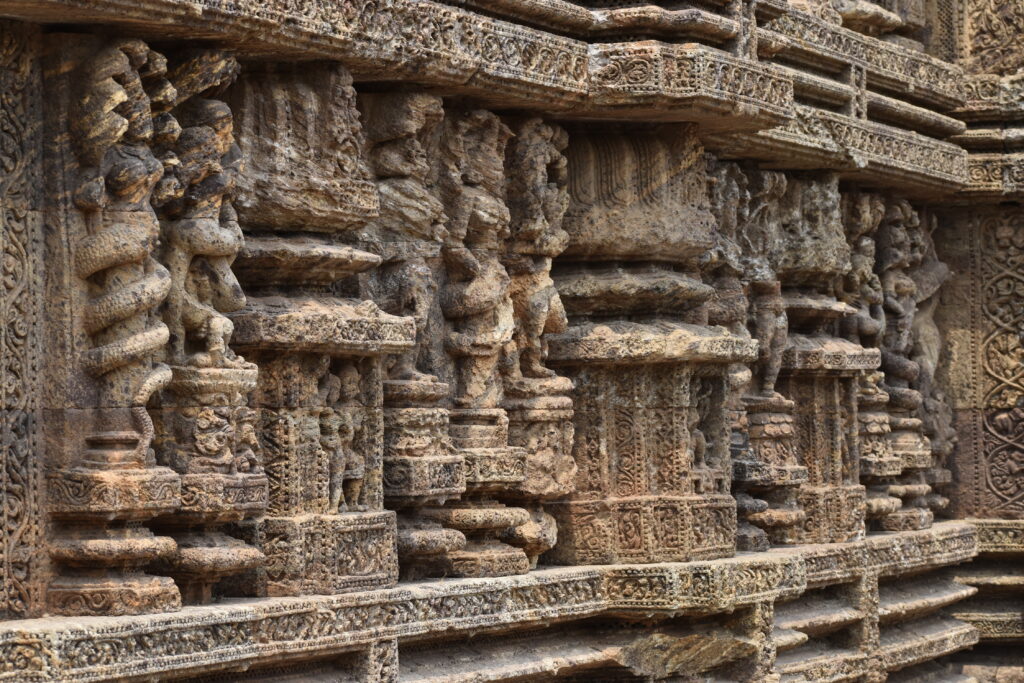
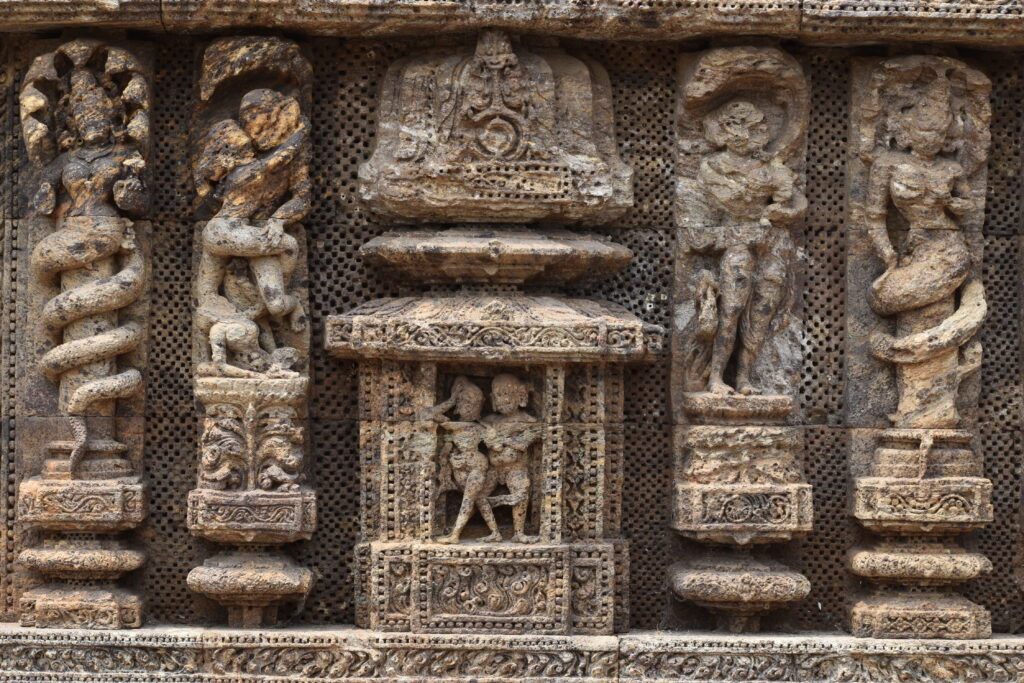
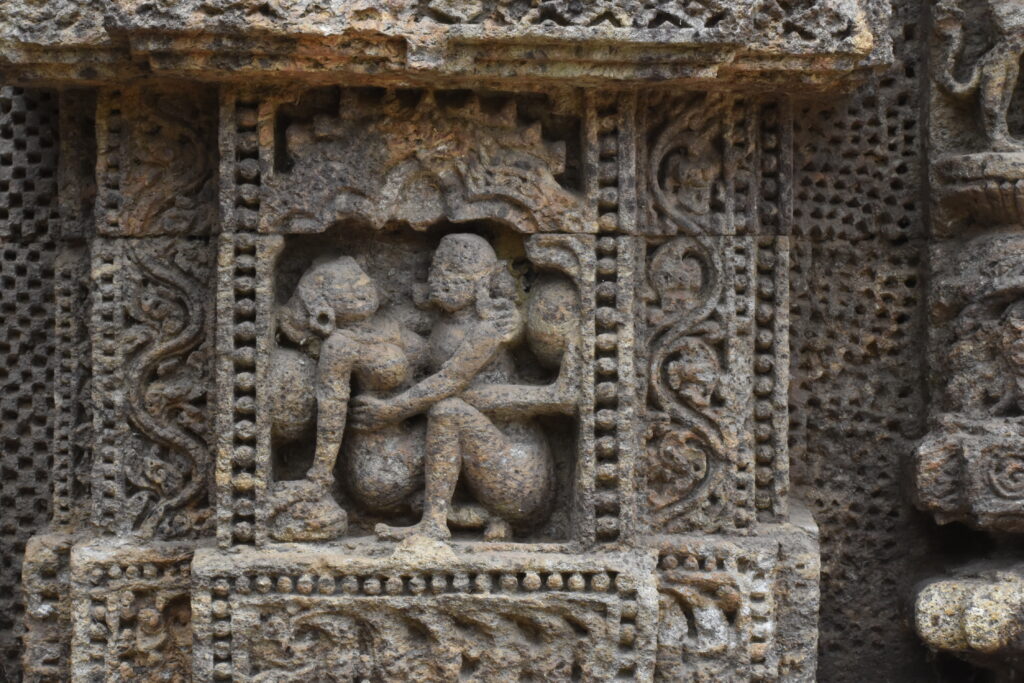
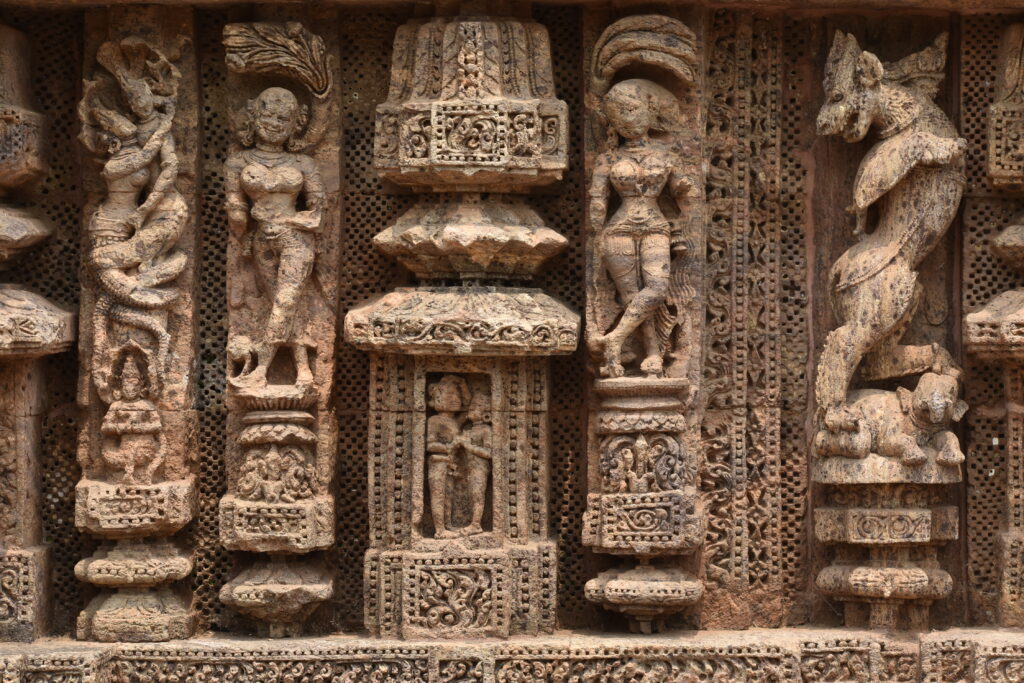
This Kalinga style architecture is said that it took 12 to 14 years to complete. Apart from main temple it includes Jagmohan (an audience hall), Shikhara (crown), vimana (tower) and Natmandir (dance hall). The entire temple wall reflects exquisite artwork like carved human figures, images of goodness, animal motifs, erotic figures and many more. According to ASI (Archaeological Survey of India), there are temples such as Mayadevi temple, Vairhnava temple and bhogamandapa (kitchen hall)- was discovered during excavations on 20th century. As per Abdul Fazal, author of ‘Ain-e-Akhbari, says that there were six other temples in Sun Temple courtyard and 22 temples in its vincity. All structures are ruined due to unknown reasons except Jagmohana.
The temple was built with three different types of stone: chlorite, laterite, and khondalite. Khondalite (of low quality) was used throughout the monument, whereas chlorite was limited to doorframes and a few sculptures, and laterite was utilised in the foundation, the platform's (invisible) core, and the stairwells. Because none of these stones were readily accessible near the site, material had to be transported significant distances. The stone blocks were hoisted into place, probably with the use of pulleys, wooden wheels, or rollers. The fitting and polishing were so flawless that the joints were hardly visible.
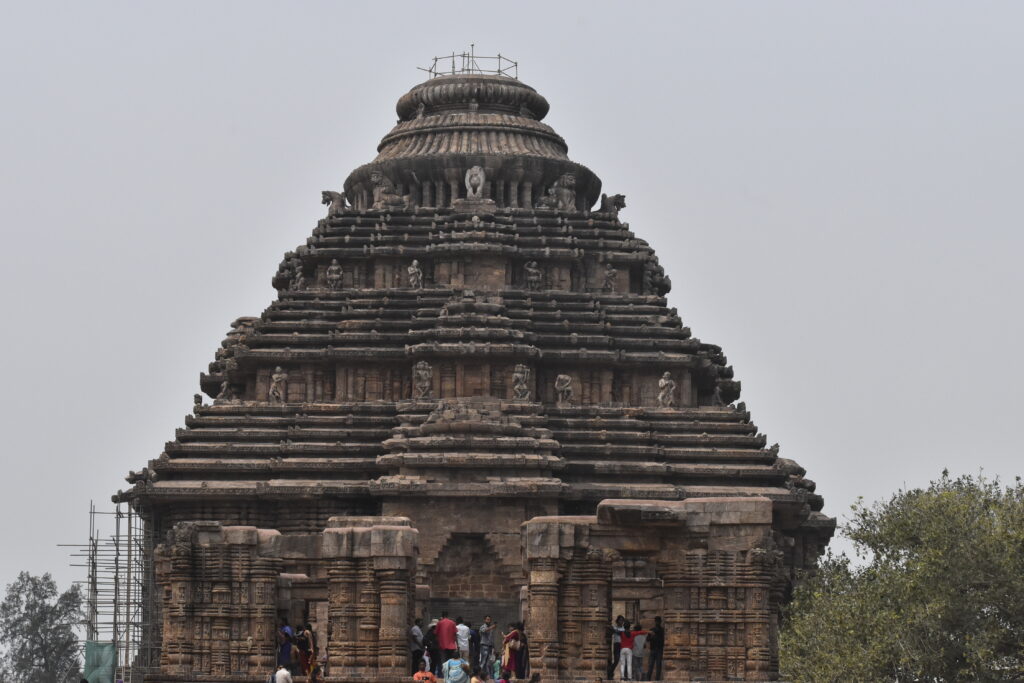
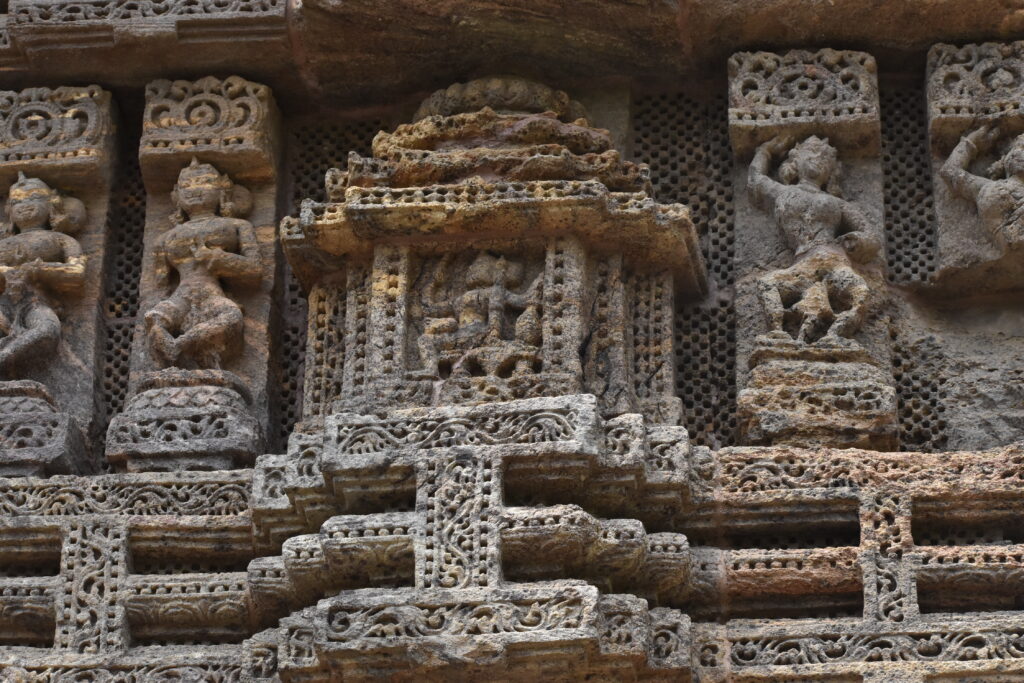
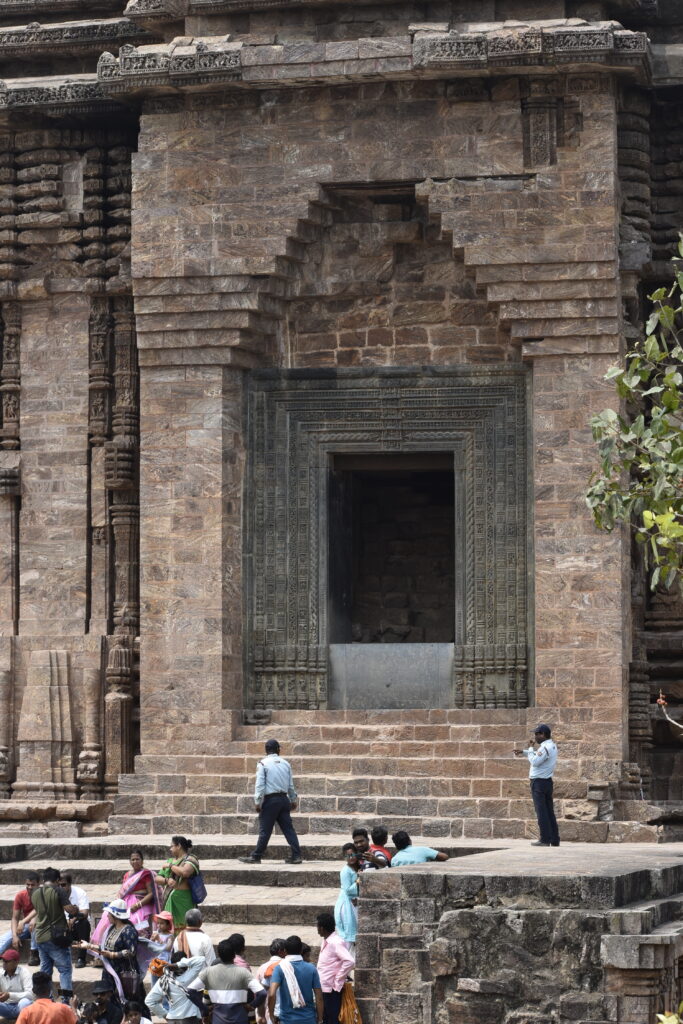
THE TEMPLE AND ITS MAGNETS: – According to historian. There was a massive 52 ton magnet at the top of the temple. Which was the cause of disturbance in the Ship Compass there passed by the coastal area? Konark was the major part area at that time. Navigation making was the main problem for ship captain. So Portuguese sailors has destroyed the temple and took away the magnet. The sailors called the temple as “Black Pagoda”.
According to Hemant Akhil Kasturi, graduate from Aeronautical Engineering Institute- the temple was built very exceptionally. Each and every pillar of the walls of temple are surrounded by iron plates. Each iron plates are separated from other plates. At key nodes of temple, magnets were placed with variable flux and magnetic intensities. At the center and at the bottom of few feet, a large magnet was placed. Due to this placement and an idol of God Sun was also placed at the center of the all elements - it floated.
** Most common question about Konarak Sun Temple -
“WHY IS THE KONARAK SUN TEMPLE SEALED?”
According to historian, the original sun temple and present day sun temple are not same. Old one was 240 feet high, whereas present temple is 130 feet high. Due to unknown facts of demolition, the sun temple was rebuilt as on…………. The British government was started presentation work in between 1900-1903. They were sealed the temple with sand to prevent the heritage property from collapsing. But due to huge ton of sand have started causing cracks on the structure from inside. But Government of Orissa, ASI and…….. were unable to take proper precautions to remove the sand from inside the temple. So due to this reason the temple soon is closed for tourist since 1903.
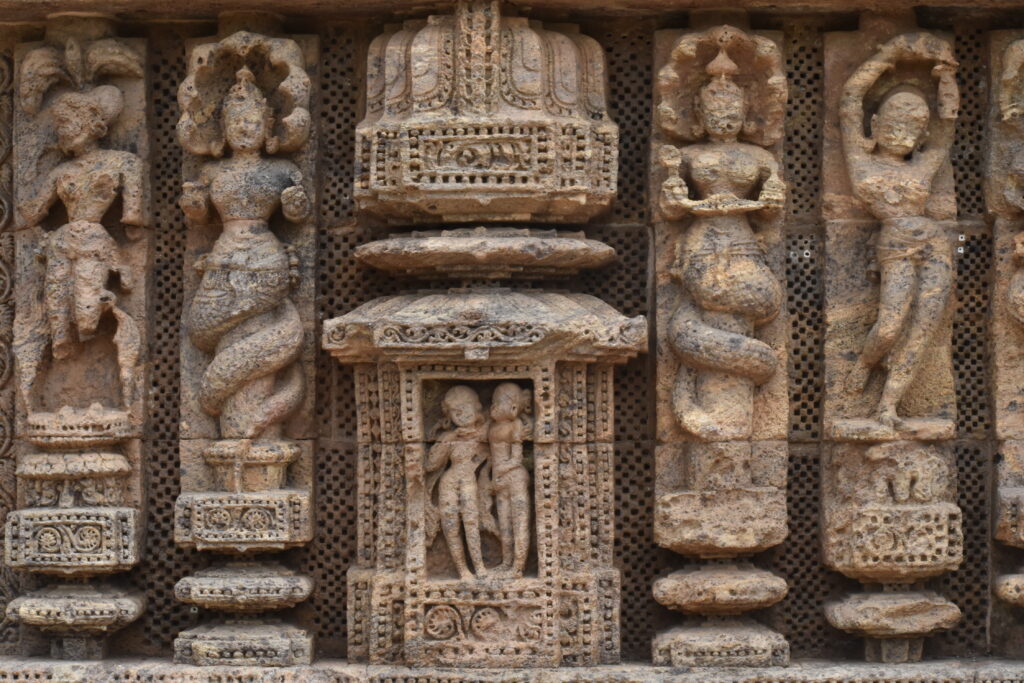
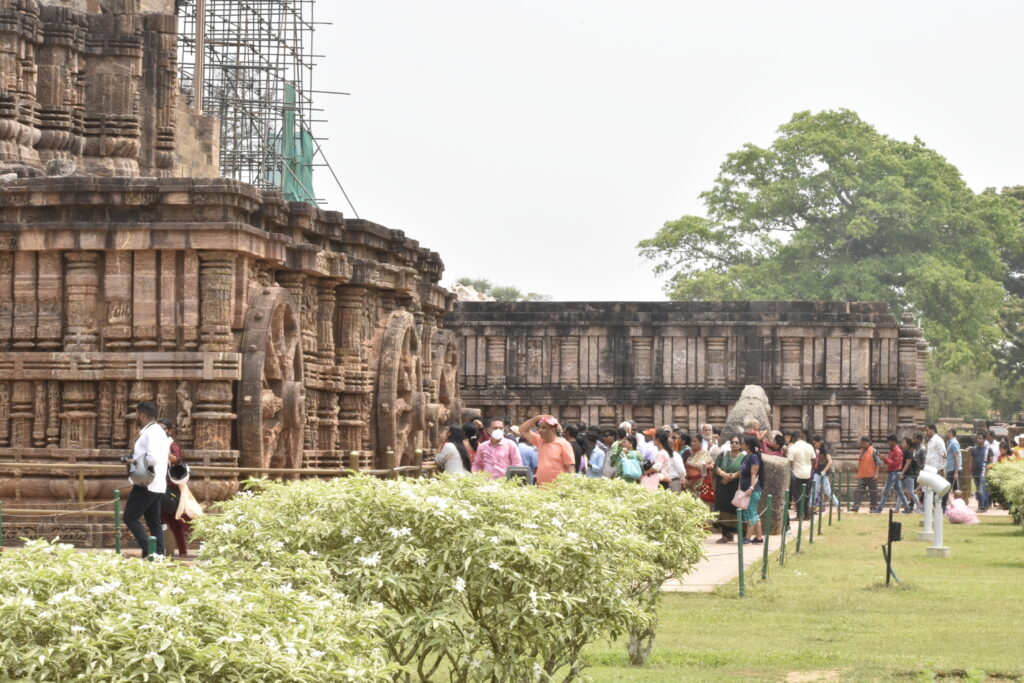
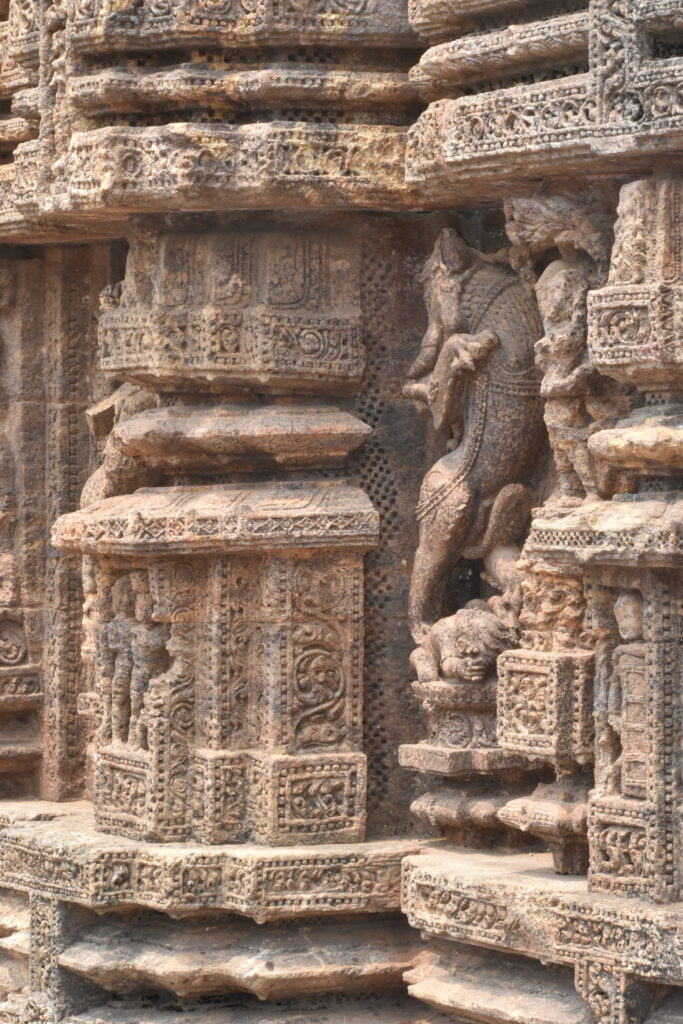
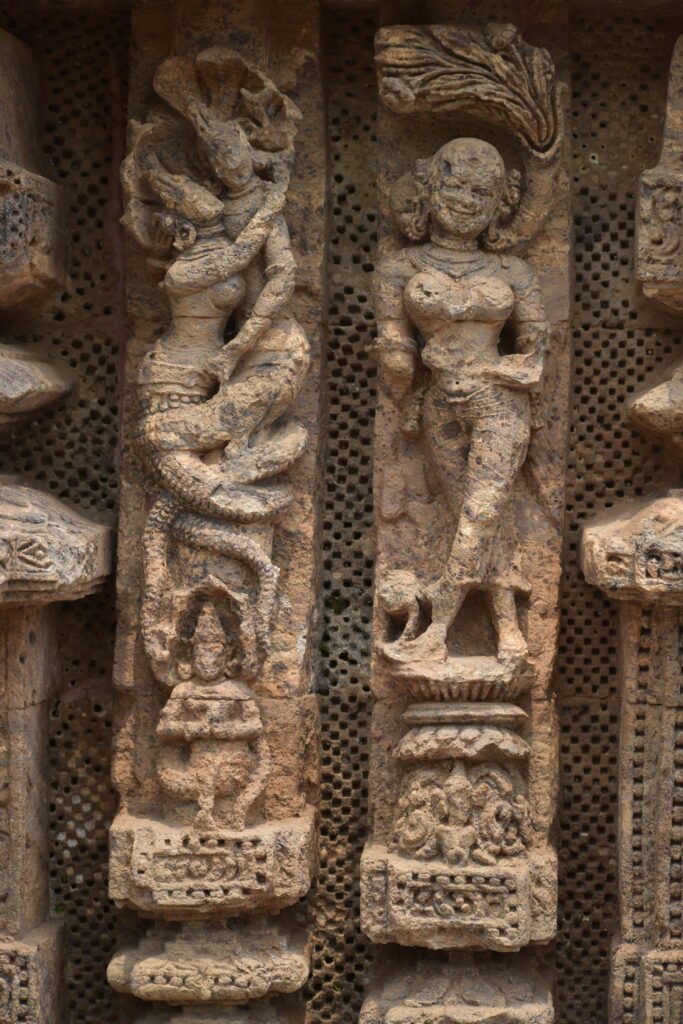
A STORY BEHIND SUN TEMPLE: – Story of master architect Bisu Maharana and his son Dharmapada. In 1837 CE, James Fergusson (1808-1836 CE), a well-known Scottish historian of British India who was instrumental in the rediscovery of ancient Indian antiquities and architectural monuments, paid a visit to Konarak and created a sketch. He calculated the height of the section of the structure that was still standing to be between 42.67 and 45.72 metres. By 1868 CE, the site had devolved into a jumble of stones with a few trees thrown in for good measure. A local raja (king) had taken several sculptures to decorate a temple he was building in his own fort, and the temple itself had been spared from being used to erect a lighthouse, according to Fergusson. The 'locals were also not idle in clearing the fallen stones and iron cramps and dowels', in addition to the raja (Mitra, 14). Conservation efforts accelerated after Lt. Governor John Woodburn "launched a well-planned campaign to rescue the temple at all costs by adopting adequate measures" in 1900 CE . The Archaeological Survey of India has been protecting and managing the site since 1939 CE.
This Konark temple is also attract international tourist, not only for its architecture. It is famous for Konark Dance Festival, which held every year from 1st to 5th December in the amphitheatre of temple premises. UNESCO has declared this temple as a Heritage site as on 1984.
Trip Budget details -
| Expense | Budget | Comfortable |
|---|---|---|
| Entry fee | ₹40 | ₹40 |
| Light & Sound Show | ₹70 | ₹70 |
| Transport from Puri (round trip) | ₹60–120 (bus) | ₹800–1,200 (taxi) |
| Guide (optional) | ₹0 (self-guided) | ₹300–500 (ASI-approved) |
| Food & refreshments | ₹100–200 | ₹300–500 |
Konark Sun Temple Travel Guide: Where to Stay, How to Reach, Best Time, FAQs & Do’s and Don’ts
The Konark Sun Temple is one of Odisha’s most remarkable monuments and a UNESCO World Heritage Site. Built in the 13th century, the temple was designed as a monumental chariot of the Sun God Surya, with 24 beautifully carved wheels and sculpted horses. Its architecture, stone carvings and history make Konark one of the must-visit destinations in Odisha.
Whether you are planning a day trip from Puri or Bhubaneswar or want to stay overnight in Konark, a little planning can make the experience much better.
1. BEST PLACE TO STAY NEAR KONARK TEMPLE
Konark is a relatively small town, but there are several hotels, guest houses, lodges and resorts around the Sun Temple and along the Puri-Konark Marine Drive.
Stay in Konark Town
For first-time visitors, staying in Konark town is the most convenient option.
You will be close to the Sun Temple, local restaurants, shops and the bus stand. It also makes early-morning sightseeing easier.
Some accommodation options currently listed around Konark include:
- Sun Temple Hotel (Konark) – Conveniently located near the Sun Temple and bus stand.
- Hotel Surya Inn – A guest-house style option close to the temple.
- OTDC Yatrinivas, Konark – A government tourism accommodation option worth considering.
- Labanya Guest House – A guest-house option on Konark Road.
- Hotel Sunshine – Located around Madhipur Chowk.
Stay near Ramachandi Beach
If you prefer a more peaceful holiday rather than simply being close to the monument, consider staying along the Puri-Konark Marine Drive near Ramachandi.
For example, Lotus Eco Resort Konark offers a resort-style stay near Ramachandi Temple.
This area is better suited to travellers who want a combination of beach, nature and sightseeing.
Should You Stay in Puri Instead?
Yes. In fact, many tourists visit Konark as a day trip from Puri.
Konark is approximately 35 km from Puri, and Odisha Tourism regularly includes Konark in Puri-based itineraries.
Puri has a much larger selection of hotels, restaurants and tourist facilities.
My Recommendation
For a one-night Konark trip: Stay in Konark town.
For a Puri + Konark holiday: Stay in Puri and make Konark a day trip.
For a peaceful beach holiday: Stay near Ramachandi Beach.
HOW TO REACH KONARK SUN TEMPLE
Konark does not have a major railway station or commercial airport of its own. The easiest gateways are Puri and Bhubaneswar.
By Train
The nearest major railway station is Puri Junction.
Odisha Tourism lists Puri Junction as the nearest railway station for Konark.
From Puri, you can travel to Konark by:
- Taxi
- Private car
- Bus
- Tourist vehicle
The road distance between Puri and Konark is approximately 35 km.
From Kolkata
Travellers coming from Kolkata can take a train to Puri or Bhubaneswar and continue to Konark by road.
For many travellers, the Puri route is especially convenient if the itinerary also includes Jagannath Temple and Puri Beach.
By Air
The nearest major airport is Biju Patnaik International Airport in Bhubaneswar.
Odisha Tourism lists Bhubaneswar as the nearest airport and gives the distance from Bhubaneswar to Konark as around 70 km on its Konark information page.
From Bhubaneswar Airport, you can hire:
- Private taxi or Cab
A private car is the most convenient choice if you want to combine Bhubaneswar + Dhauli + Pipili + Konark + Puri in one itinerary.
By Road
Road travel is the most convenient way to reach Konark.
Konark is well connected by road with Puri, Bhubaneswar and Cuttack.
You can travel by:
- Private taxi or Cab or Two-wheeler from Puri, where rental options may be available
The Puri-Konark Marine Drive is particularly popular among road-trip travellers because you can combine the journey with beaches and other attractions.
Suggested Routes
From Puri:
Puri → Marine Drive Road → Konark
From Bhubaneswar:
Bhubaneswar → Pipili → Konark
From Kolkata:
Kolkata → Bhubaneswar/Puri → Konark
IDEAL TIME TO VISIT KONARK SUN TEMPLE
Best time: October to March
The period from October to March is generally the most comfortable time to explore Konark.
The weather is more suitable for walking around the large temple complex and combining your visit with nearby attractions.
October to November
This is a good period for sightseeing after the monsoon.
The surroundings are generally greener, while the weather becomes more comfortable.
December to February
Winter is the best season for most visitors.
Morning and evening temperatures are pleasant, making it easier to explore the temple, Chandrabhaga Beach and nearby attractions.
This is also a popular period for cultural events in Konark and the surrounding area, so accommodation can become busy.
April to June
Summer can be hot.
The temple complex involves considerable outdoor walking, and there is limited shade in some areas.
If you visit during summer, arrive early in the morning and carry water.
July to September
The monsoon brings greenery and a different atmosphere to coastal Odisha. However, rain can interrupt sightseeing plans.
For a comfortable first visit, winter remains the safer choice.
What time of day is best?
Early morning is usually the best choice.
You get softer sunlight for photography, relatively comfortable temperatures and a better chance of exploring before the crowds and afternoon heat build up.
Always check the current official opening hours and ticket information before travelling, because timings and visitor rules can change.
FAQ ABOUT VISITING KONARK SUN TEMPLE
Q1. Is Konark Sun Temple a UNESCO World Heritage Site?
Yes. The Sun Temple at Konark has been a UNESCO World Heritage Site since 1984. UNESCO describes it as an outstanding example of temple architecture and art from the 13th-century kingdom of Orissa.
Q2. How far is Konark from Puri?
Konark is approximately 35 km from Puri.
Q3. How far is Konark from Bhubaneswar?
The distance is roughly 65–70 km, depending on the route. Odisha Tourism lists it as about 70 km on its Konark destination page and 65 km in one of its tour itineraries.
Q4. Can I visit Konark as a day trip from Puri?
Yes. It is one of the easiest ways to visit the Sun Temple.
You can leave Puri in the morning, visit Konark, explore Chandrabhaga Beach and nearby attractions, and return to Puri the same day.
Q5. Is one day enough for Konark?
Yes, for the main attractions.
A full day can comfortably cover:
- Konark Sun Temple
- ASI Museum
- Chandrabhaga Beach
- Ramachandi Temple
- Nearby local attractions
If you enjoy photography, history and slow travel, staying overnight gives you more time.
Q6. Is Konark suitable for families?
Yes. Families can visit comfortably, although the temple complex involves considerable walking.
Older travellers should take regular breaks, particularly during warmer months.
Q7. Can I take photographs inside the temple complex?
Photography rules can vary by area and may be updated by authorities. Follow the signs and instructions of ASI staff.
Do not photograph restricted areas if photography is prohibited.
Q8. Can I carry food inside?
Do not assume that food is permitted inside the monument. ASI's visitor guidance says food items and chewing gum are among prohibited items at protected monuments, with specific site rules applying.
Carry drinking water where permitted and check the current rules at the entrance.
Q9. Is Konark only a temple?
Not really.
The monument is also a major architectural and archaeological site. Its sculptures provide insight into the artistic, cultural and social life of medieval Odisha. UNESCO considers the temple an exceptional testimony to the 13th-century kingdom of Orissa.
Q10. What other places can I visit near Konark?
You can combine your Konark visit with:
- Chandrabhaga Beach
- Ramachandi Temple
- Ramachandi Beach
- Puri
- Raghurajpur Heritage Crafts Village
- Pipili
- Bhubaneswar
5. DO'S & DON'TS AT KONARK SUN TEMPLE
The Konark Sun Temple is not simply a tourist attraction. It is a protected World Heritage monument, so visitors have a responsibility to help preserve it.
The Archaeological Survey of India advises visitors to follow designated paths, use authorised guides and photographers, respect restrictions, avoid damaging the monument and follow site instructions.
DO'S
1. Follow the official rules
Read the instructions at the entrance and follow directions from ASI staff.
2. Carry a valid ID
ASI's visitor guidance recommends carrying a government-issued photo ID.
3. Stay on designated paths
Walk only where visitors are permitted.
This protects both you and the fragile archaeological structures.
4. Respect the carvings
Look closely, take photographs where allowed, but never touch, climb or lean against the sculptures.
5. Use authorised guides
If you want a guided tour, use an authorised guide and verify their identity.
6. Keep the monument clean
Use designated dustbins and take your rubbish with you if no bin is available.
7. Keep your phone on silent
A World Heritage monument is not the place for loud phone conversations or music.
8. Take care of children
Keep children close and explain why the monument needs to be protected.
9. Visit the museum if time permits
The museum and interpretation facilities can help you understand the history and architecture of the site better.
10. Respect the heritage
Remember that you are visiting a monument that has survived for centuries. Treat it accordingly.
DON'TS
1. Don't touch or climb the sculptures
This can damage the historic stonework.
2. Don't write names on the walls
Never scratch, carve or write anything on the monument.
Even a small mark is damage to protected heritage.
3. Don't litter
Plastic bottles, wrappers and food waste have no place inside a World Heritage monument.
4. Don't enter restricted areas
Barriers and signs are there for a reason. Do not cross them for photographs.
5. Don't use loudspeakers or play loud music
Keep the atmosphere respectful.
6. Don't carry prohibited items
Follow the current security restrictions. ASI guidance specifically lists items such as food, chewing gum, tobacco products, pan masala, alcohol and intoxicating substances among prohibited items at protected monuments.
7. Don't assume every area allows photography
Follow photography and filming restrictions wherever they are displayed.
8. Don't use the monument as a picnic spot
ASI specifically advises that protected monuments are not picnic spots, party zones or commercial backdrops.
9. Don't hire unauthorised guides
Use authorised guides and photographers only.
10. Don't rush your visit
Take time to study the wheels, sculptures, architecture and details. Konark is a place to explore slowly rather than simply take a few photographs and leave.
Quick Konark Travel Checklist
| Information | Recommendation | |
|---|---|---|
| Best area to stay | Konark town | |
| Alternative | Puri | |
| Nearest railway station | Puri Junction | |
| Nearest major airport | Bhubaneswar | |
| Puri–Konark distance | About 35 km | |
| Bhubaneswar–Konark | About 65–70 km | |
| Best season | October–March | |
| Best time of day | Early morning | |
| Ideal stay | 1 night in Konark or 2–3 nights in Puri | |
| Best transport | Private car/taxi for sightseeing | |
| Important nearby places | Chandrabhaga Beach, Ramachandi, Puri, Raghurajpur | |
| Main rule | Respect and protect the monument | |
Final Travel Advice
Konark is best experienced as more than a quick photo stop. Spend some time looking at the 24 carved wheels, horses, sculptures and architectural details. UNESCO describes the monument as a monumental representation of Surya's chariot and recognises its exceptional artistic and architectural value.
For a comfortable trip, stay in Puri if you are planning a wider Odisha holiday, or stay in Konark for a quieter and more focused experience. Visit early in the day, carry water, wear comfortable footwear and allow enough time to appreciate the monument properly.
Most importantly, leave the monument exactly as you found it. A photograph is a souvenir; a scratch on a 13th-century carving is damage that cannot be undone.