TOP THINGS TO DO IN BHUBANESWAR – “CITY OF TEMPLE OF INDIA”
September 3, 2026
Bhubaneswar is an ancient city in the state of Odisha. This 2000 year old city is temple hub of Eastern region. Around 7000 temples are there. Built during 7th to 12th century. Previously state capital of Kalinga Empire. This city is also famous for its rich culture, historical evidence, Handicraft items, filigree Jewellery and others.
Once known for its architecture, which also attracts tourist from all over the country and rest of the world. Along with religious tourists and backpackers, the city is also presence through its identity through commerce and business. Bhubaneswar is ninth largest city in India and it is categorized as a Tier-2 city. But I had noticed that this city is one of the fasts growing-developed city as well as smart cleanest city in eastern region.
Bhubaneswar, present state capital of Odisha. On 1948, capital has shifted to the Bhubaneswar from Cuttack. After Varanasi, this city is most popular among Hindu devotees. The name of city was derived from “Tribhubaneswar” means “Eswar (Lord)” and Tribhuvan (Three world), which refer to lord Shiva. During Monsoon, I had stated my pilgrim trail of Odisha from Bhubaneswar for a single day. I had accommodated under my friend’s hospitality in Patia, which is 11Km from Bhubaneswar Railway Station. I had reached Bhubaneswar at early morning & moved to Patia. I went there for my friend’s invitation. So there was not any particular planning for travel, except one thing – “Food-Food and Food”.
DAY ROAD TRIP FROM PURI TO BHUBANESWAR -
Next day morning, I had started my journey with Odiya breakfast, Alu Bhaji with vada. Also samosa, Rosogolla, Madanamohona are also available as a breakfast items. It was my second day in Bhubaneswar and suddenly my friend offered me for a day trip in & around the city and it was the good proposal for me to explore the city. Firstly, we moved to Patia Jagannath Temple, which is around 2 min walking distance from Patia Junction. From Jagannath Temple we had explore the “top things to do in Bhubaneswar” like, LINGARAJ TEMPLE, KONARK SUN TEMPLE, UDAYAGIRI and KHANDAGIRI, DHAUU, MUKTESWAR TEMPLE, TRIBAL ARTS MUSEUM, RAMACHANDI BEACH, ISKON TEMPLE.
DAY 2:–
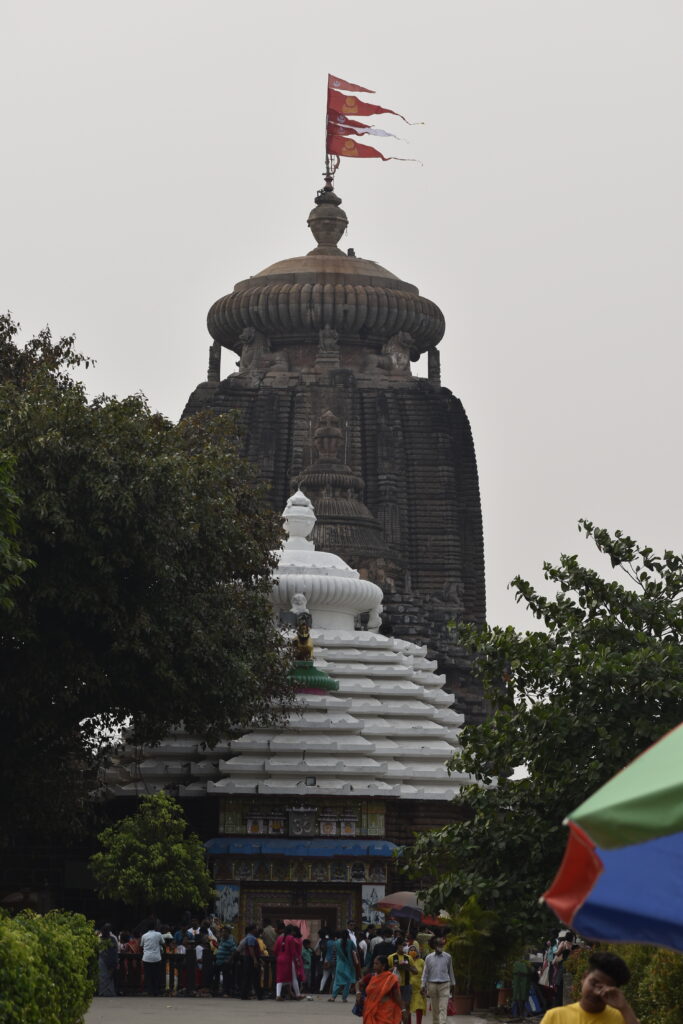
LINGARAJ TEMPLE: – Famous Lingaraj Temple of twelve Jotiralinga Temple was built on 1000 B.C. by Gangaraj Lalat Keshari. The temple is very similar and shorter than Lord Jagannath temple of Puri. This 10th century temple is dedicated to Lord Shiva and described as “The trust fusion of dream and reality”. But architecture of temple is beautiful. 55 feet high temple is covered with elaborate carvings sculpture and Odishi style design. A small temple of Bhagwati, Ganesh, Kantika and Parvati are located in the temple courtyard.
The Lingaraj Temple also famous for its colorful celebration during Mahashivaratri. There are two another attraction beside Lingaraj Temple. Bindu Sanas Lake and Ananta Basudev Temple around 700/800 ft. away from temple.
According to Mythology Lord Shiva has created this lake for Parvati, after she destroyed two demons Kritti and Vasa. Beside this Bindu Sanas Lake are also known as Bindusarovar. There is temple of Ananta Basudev, the house of Lord Vishnu. On 1278, temple built by Chamunda Devi,daughter of Bhimdev.
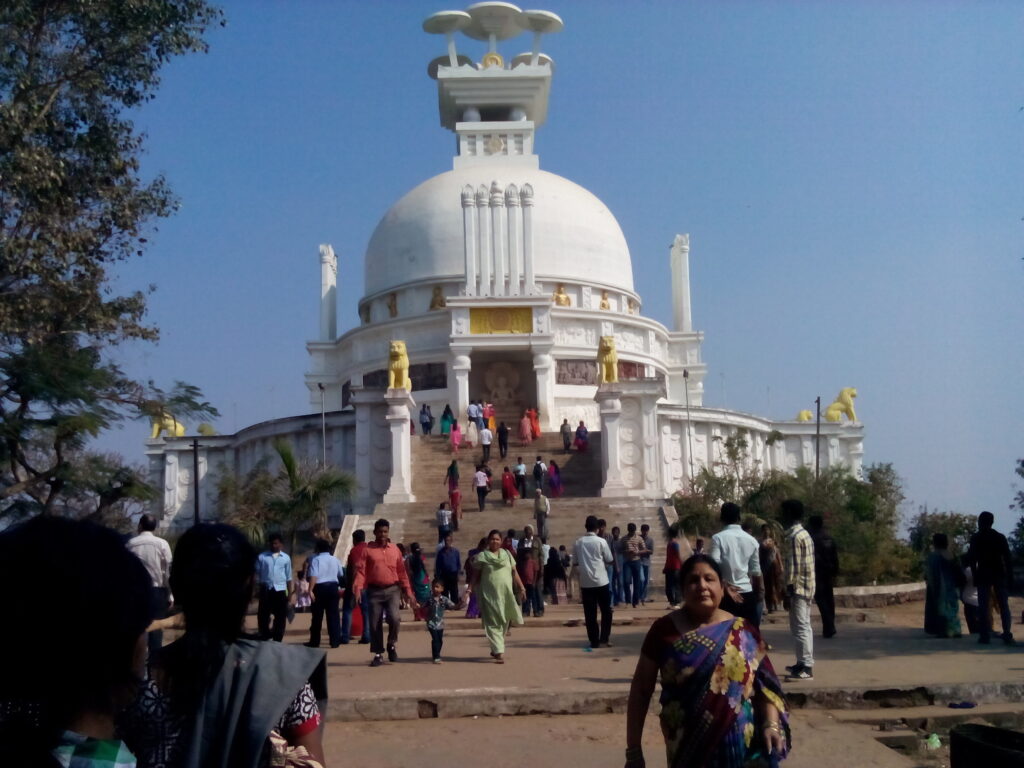
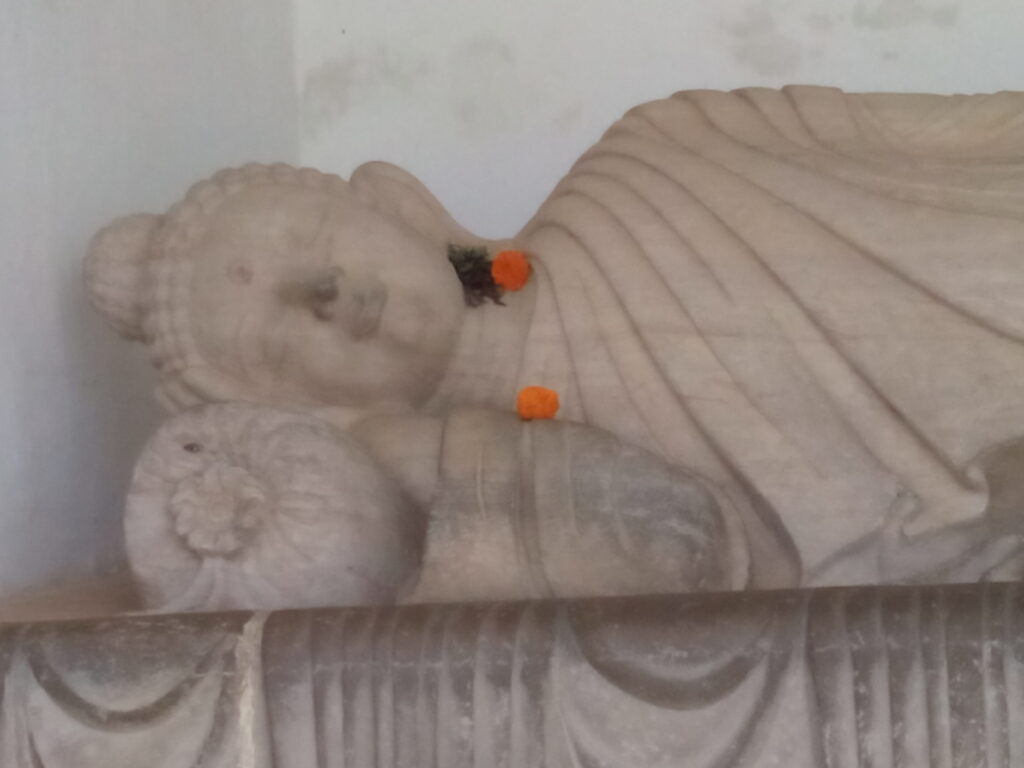
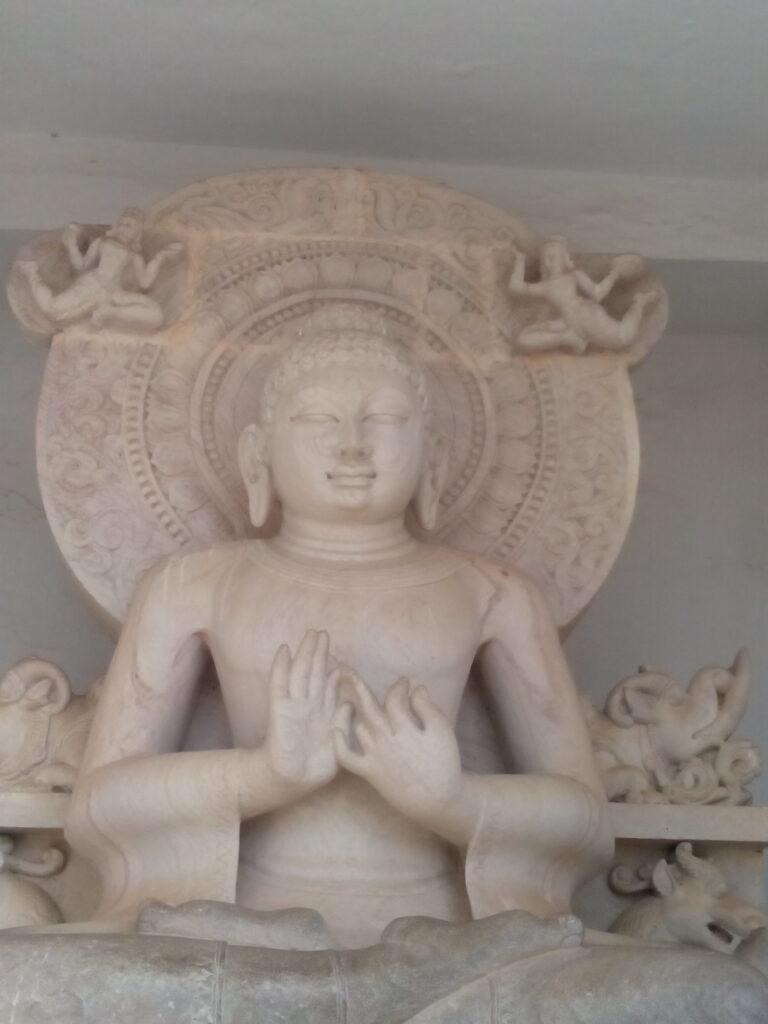
DHAULI: – Odisha is not only famous for hindu pilgrimages. Buddhism is a old as the religion itself. Dhauli is the part of the Buddhist circuit in Odisha and very important centre for Buddhist activists. Dhauli is located on the bank of river Daya. (River Daya also has a self identification. It is presumed to be the area where the Kalinga War was fought, between Maurya Empire of Ashoka and the State of Kalinga. This war was largest and bloodiest battle in Indian History which is said to have taken place in 262 BC. After the enormous killing of many troops, the water of the river Daya was said to have turned blood crimson. This well-known savagery had left an indelible impression on Ashoka's psyche, causing him to transform dramatically. He eventually changed his name from Chandashoka to Dharmashoka. Dhauli was a particular weakness for Ashoka because it allowed him to fully comprehend the horrors of battle. He saw to see that Dhauli grew into a significant Buddhist centre. He constructed a number of chaityas, stupas, and pillars there. He had dwellings excavated for the hermit, instructions engraved for officials, elucidated the basic ideas of dandaniti (strict execution of rules) for the public, and granted special status to his new kingdom, which included the stupas at Dhauli.) This hill or stupa is situated at SKM South of Bhubaneswar in Puri–Konark road. This Shanti Stupa also known as “Peace Pagoda”. Which was jointly built by the Japan Buddha Sangha and Kaling Nippon Buddha Sangha is 1970.
Dhauli Kalinga Mahotsav
Venue: Dhauli Foothill, Bhubaneswar
Time: 18:30 – 20:30
Are you planning to enjoy and visit the widely popular and acclaimed Dhauli Kalinga Mahotsav, celebrated at a large scale with so much grandeur and fun, on the foothills of Dhauli Shanti Stupa and foothills in Bhubaneswar, Odisha this year? The Mahotsav is celebrated in association with the renowned Odisha Dance Academy and the intent is to keep Odia culture, heritage, and traditions alive. A huge part of the land was formerly been recognized as Kalinga, which is seen as the place of brutal deaths and murders of martyrs during the time when Ashoka reigned. It is basically the destination where Ashoka thought to begin a non-violent, peaceful and isolated life. This Dhauli Kalinga Mahotsav is basically celebrated to mark the win over war. The festival is celebrated to simply pay tribute and honour to all those martyrs belonging to the Mauryan dynasty and is visited not only by locals but also by national and international enthusiasts and visitors from all corners.
This Mahotsav is a perfect blend of classical, martial, folk and temporary genres of arts, everything at the single platform and definitely a visual treat for all connoisseurs and art lovers. This festival is known to be hosted since 2003 and over the period, it got fame and recognition like anything at both national and international levels. At present, the event is hosting more than 500 artists from all over, giving their talent and expertise a chance to showcase in front of others and get the real experience. The rich and worth seeing 3-day festival is a celebration and appreciation of beauty and strength of Odissi music and dance. Along with Odissi dance and music, tourists can check out different cultures and art forms of different states altogether and many a time, even foreign tourists also participate.
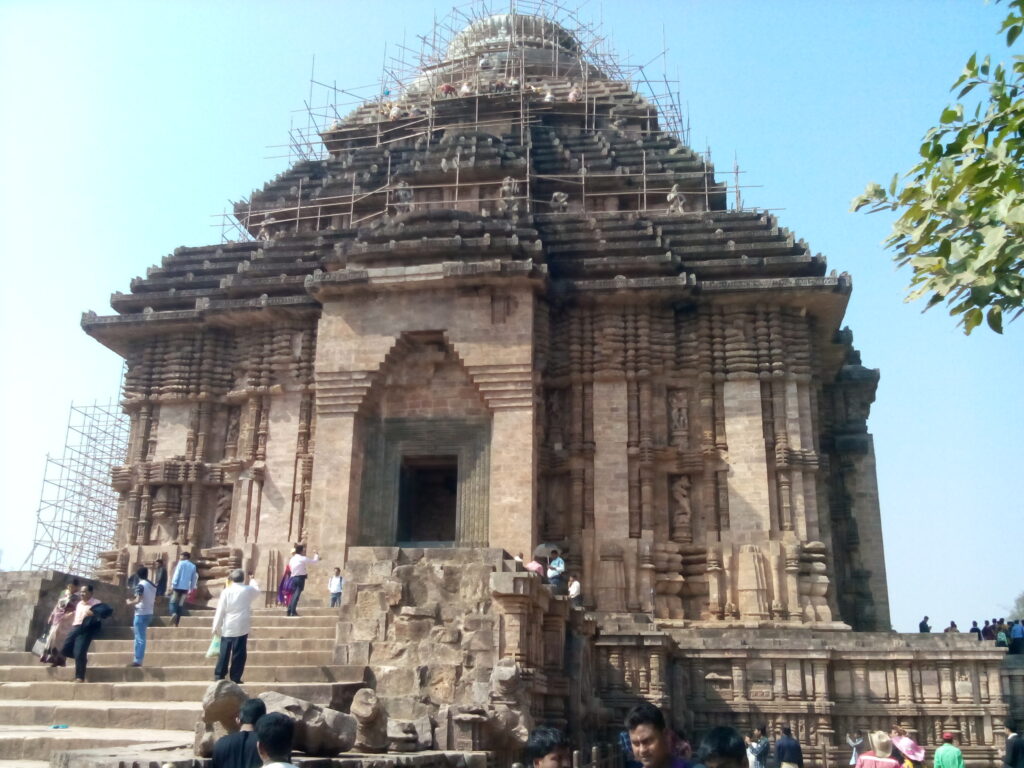
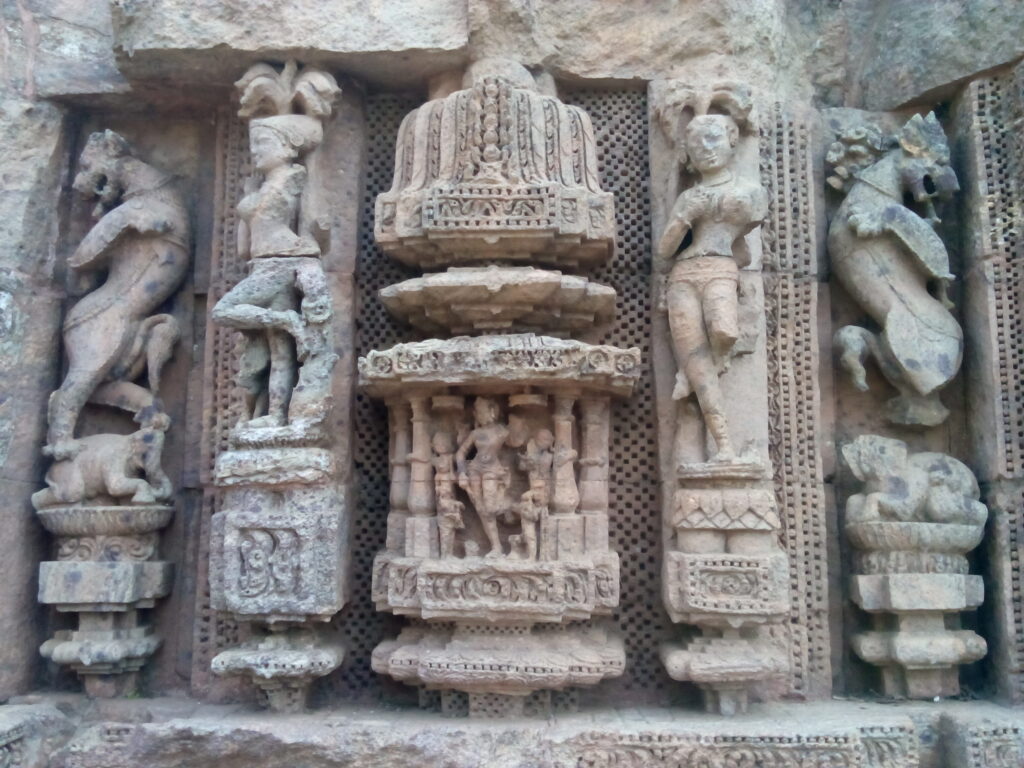
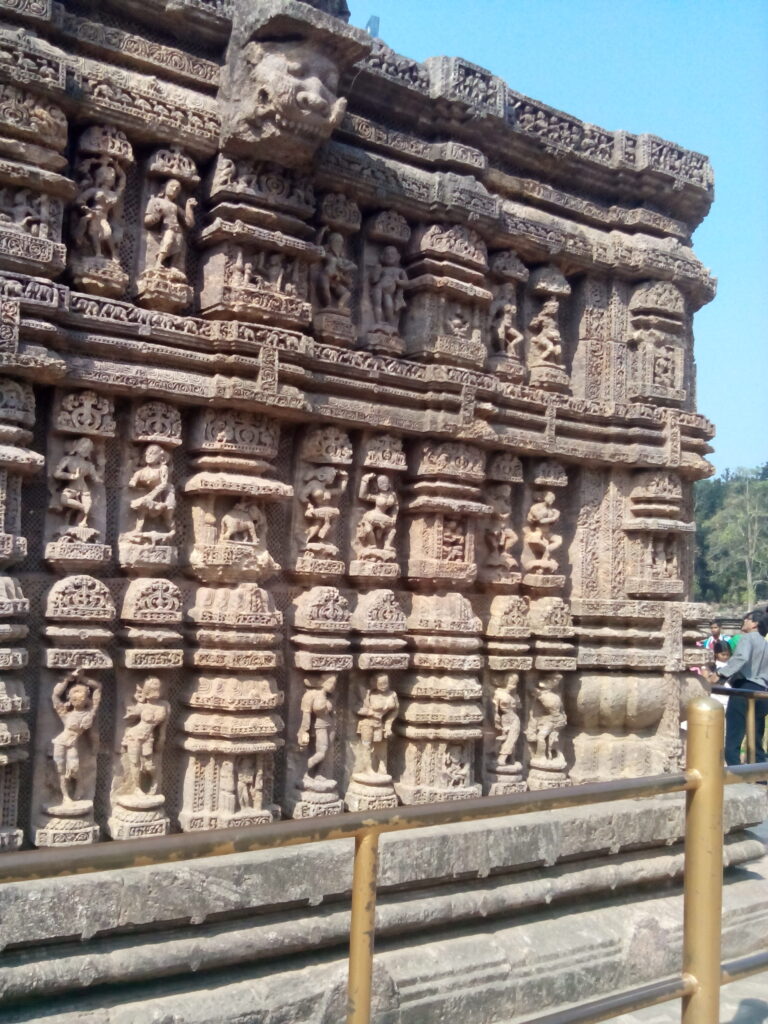
KONARK SUN TEMPLE: – The temple was built on 13th Century (1205 AD) and dedicated to Sun God. Built by Raja Narasingha Deva1 of the Ganga Dynasty. This is most popular tourist destination in Odisha. Sun Temple is well connected with Puri (Just 35Km) and Bhubaneswar (65 km) by road. This ancient temple has unique style of architecture, has reflects the contemporary life and activities of Hindu Kingdom in Odisha.
Konark is also known as “KONADITYA” the name is derived from words — “KONA”, means Corner and “ARKA” means Sun. In Sanskrit, the Sun god has many name like Arka, Surya, Aditya, Udaya, Heramba & many more. The giant shape chariot with seven horses and 12 wheels on both sides. The seven horses, in front of temple which pull the temple means the days of the week. The 12 pairs of wheels represent the 12 months of year and eight spokes in each wheels is the eight ideal stages of a women’s day.
UDAYGIRI & KHANDAGIRI
These two caves are key attraction in khandagiri area, popularly known as kattaka. The caves were excavated by king kharavela of the Mahemegavahana dynasty. There are 18 caves and 15 caves in Udaygiri and Khandagiri respectively. According to historian, there 117 caves were excavated. But only 33 caves are left in this hill. The most popular caves in Udayagiri is Rani Gumpha for its beautiful sculptures. Along with Rani Gumpha, we were exploring the Chota Hati Gumpha, Ahakapuri Gumpha, Bajaghna Gumpha, Ganesh Gumpha and many more. Kandagiri caves also reflects its identity through Ananta Gumpha, Tatowa Gumpha, kandagiri Gumpha, Navanwai Gumpha etc.
Interesting facts about caves:-
1. Caves are houses of several Jain and Buddhist architecture, mythology and history.
2. Chandragupta II was patronage the caves.
3. The caves were resident of Buddhist monk.
4. Waters of nearby small canal were passes through the every caves.
5. All the caves are two story, upper portion where used for meditation purpose.
Mukteshwara temple
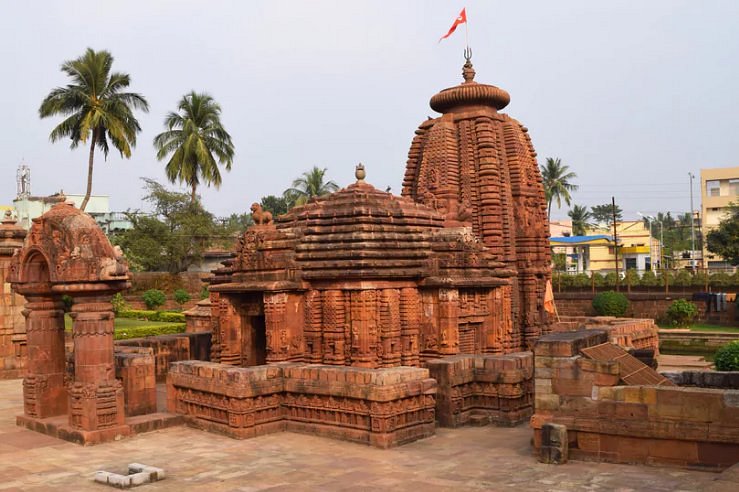
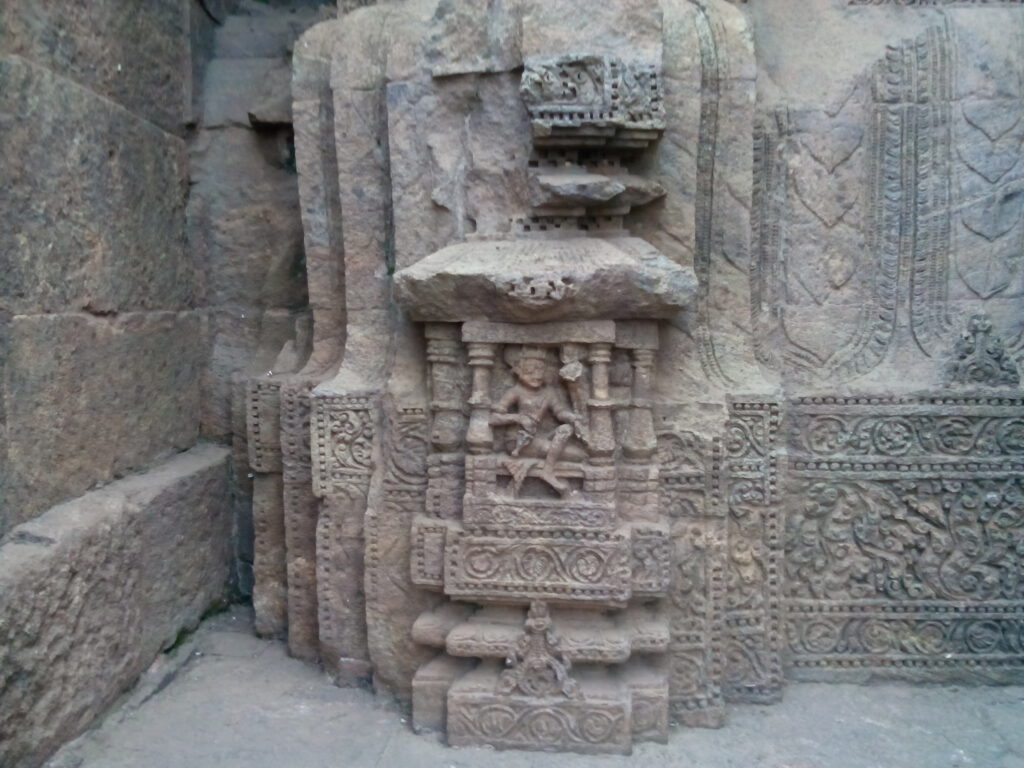
This kaling style of architecture temple is located 73 kilometers and 10 kilometres from Bhubaneswar and Khandagiri caves, respectively. This temple was built on 10th century under supervision of Yayati I, a famous sculptur. Mukteshwara temple is Hindu temple, dedicated to Lord Shiva. The 35 feet high temple is most prominent tourist attraction among Hindu devotees and heritage sculpture enthusiast. The temple is mainly known for Kalinga architecture. Where you can see carving Panchatantra stories. The entire temple structure is divided into four parts, like porch, vimana, sanctrum and Jagamohana. Mukteshwara means ‘Lord of freedom’- the cycle of birth and death. Every year OTDC organizes a three day long festival called Mukteshwara Dance Festival. This is also attraction for tourists from all over the world.
Orissa State Museum
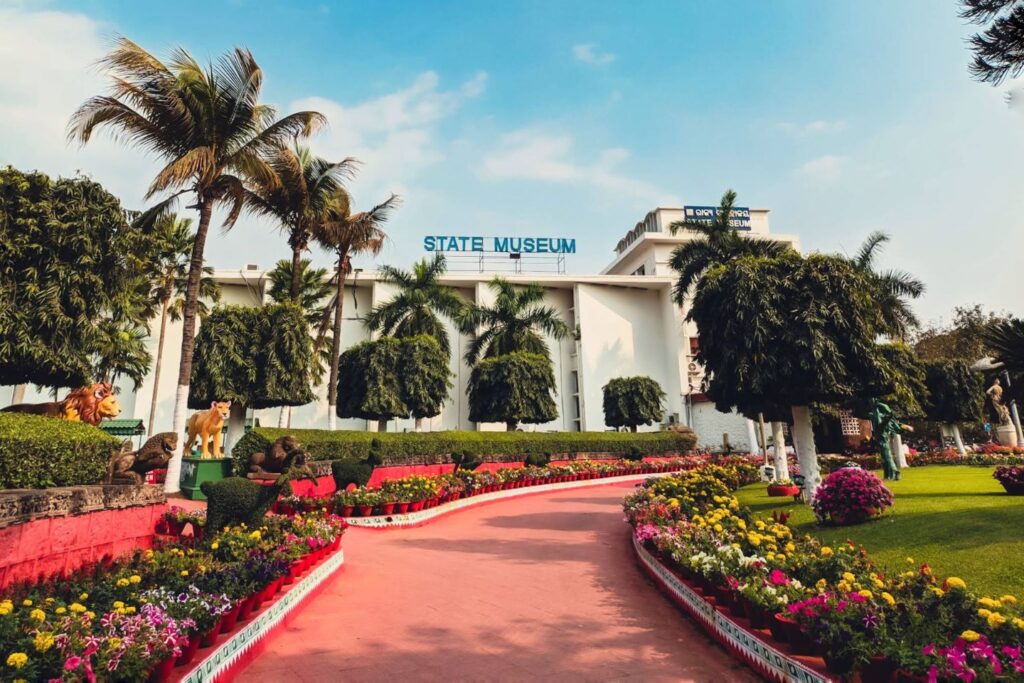
If you have any interest in Archaeology, Art and Craft, mining and Geology or manuscripts on Anthropology- then Orissa State Museum is the ultimate destination for them. In 1932, a group of historians and professors were established this museum in Cuttack. Later it was shifted to Bhubaneswar in 1960.
Timing: 10 AM to 5 PM (Monday closed)
Address: Lewis Road, Kalpana Square, BJB Nagar.
(P): 0674-243-1597
Fees: Rs. 10 (for foreigner Rs. 100)
Nandankanan Zoological Park
This park is most attracting tourist destination for travelers. Bhubaneshwar trip does not complete without Nandankanan. It is popular for various types of animals. Zoo was established on 1960 with 1080 acre land in the Chandaka Forest and Kanjia Lake. The zoo is a home of over 1600 type animals includes 166 species there are 67 species of Mammals, 81 species of birds, 18 species of reptiles and many more. Even zoo is also earned reputation for its three activities one orchid house it is spread over 5000 square feet with 180 type of orchids to lion and tiger safari tree adopt an animal program.
Timing: 7:30 AM to 5:30 PM (summer) 8:00 AM to 5:00 PM (winter)
Fees: entry for adults Rs. 40 and child Rs. 10
Foreigners Rs. 100. Car parking charges extra.
Safari Rs. 30 to Rs.50 (depend on type of vehicles)
Biju Patnaik Park
This amusement park is sprawling over huge landscape, covered with lush greenery, floating mountain, playground area, musical fountain larger than life sculpture and many others. Park is very popular for tourists and local people also. It is locally known as Forest Park, located centrally in the city, near Bapuji Nagar.
Timing: 4:00 AM- 12 PM, 3:00 PM- 9:00 PM. No entry fees.
ISKON TEMPLE
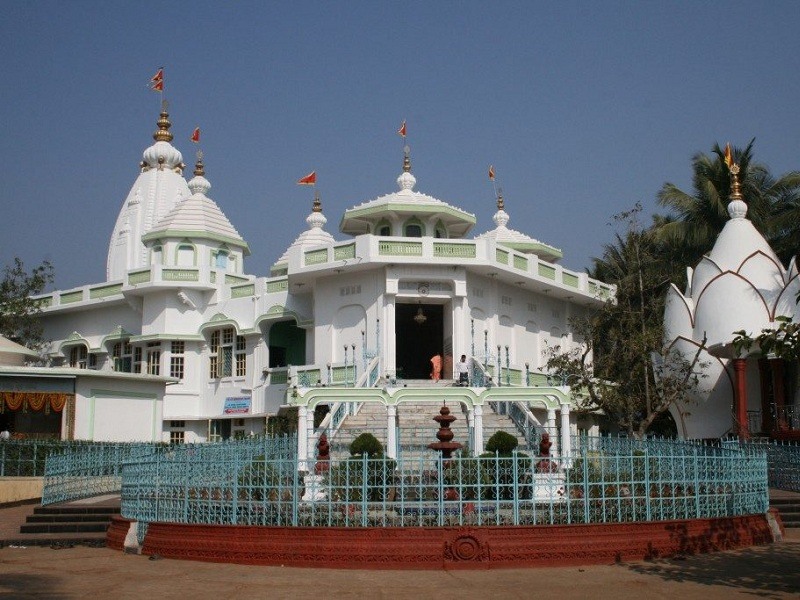
The ISKCON Temple (ISKCON was founded in 1966 in New York City, USA, by Abhaya Caranaravinda Bhaktivedanta Swami. He is thought to be the organization's spiritual guru. ISKCON was established with the goal of promoting Bhakti Yoga, or Krishna Consciousness, as a spiritual practice. ISKCON devotes its words and actions to pleasing Lord Krishna, whom they see as the Supreme Being.), which was founded in 1991 by the International Society for Krishna Consciousness, is another prominent tourist destination in Bhubaneswar. The temple is thought to be the alternate dwelling of Lord Jagannath of Puri, as it has idols of deities like as Balaram, Krishna, Gaura Nithai, Subhadra, and Jagannath.
Accommodation Information
Iskcon Guest house offers two-bedded AC and non AC rooms. Pure vegetarian meals are available here. E-Mail - info@yatradham.org Timing - Check-In - 08:00 AM, Check-Out: - 08:00 AM
- Location - ISKCON Guest House, NH-5, Near Krishna Tower, IRC Village, Nayapalli, Bhubaneswar, Odisha - 751015 Located 3 km from the Baramunda OSRTC bus stand
HOW TO REACH BHUBANESHWAR
The capital city of Orissa is very well connected with other cities in India by air, railhead and road. There are regular flight from all metro cities and Bangalore, Hyderabad, Vizag etc. also. Airport is around 6 kilometer from city centre. Taxi or bus services available from airports to reach anywhere in city. As well as air connectivity, this temple city is connected with other cities like Kolkata, Paradip, Rourkela, Vizag, Hyderabad etc. by National Highways. The main bus stand in Bhubaneswar, 6 kilometre from city centre and railway station is just 51 kilometers from the city junction. All major cities are connected with Bhubaneshwar Rail Station.
Odisha Tourism confirms that Bhubaneswar is connected by air, rail and road.
By Air - Biju Patnaik International Airport (BBI) is Bhubaneswar's airport.
It has direct air connections with several major Indian cities. Odisha Tourism describes Bhubaneswar as the state's commercial aviation hub and notes its connectivity with major cities.
After arriving at the airport, you can use: Taxi or Cab
The airport is within the city, so reaching central Bhubaneswar is relatively convenient.
Best option for:
Travellers coming from Delhi, Mumbai, Bengaluru, Chennai, Hyderabad, Kolkata and other major cities.
By Train
For many travellers, Bhubaneswar Railway Station is the easiest way to reach the city.
Bhubaneswar lies on an important railway corridor connecting eastern and southern India. The city is connected with major destinations across the country.
Direct or convenient rail connections are available from cities including:
- Kolkata, Delhi, Chennai, Mumbai, Bengaluru, Hyderabad, Ranchi, Visakhapatnam, Puri, Cuttack
From Kolkata
For travellers from Kolkata and West Bengal, train is one of the most convenient choices.
You can take a direct train from Howrah or nearby stations to Bhubaneswar.
By Road
Bhubaneswar is also well connected by road with other cities in Odisha and neighbouring states.
You can reach the city by: Private car, Taxi, Bus, Tourist vehicle
Road travel is especially useful if Bhubaneswar is part of a longer Odisha road trip.
Popular road routes:
Kolkata → Bhubaneswar → Puri → Konark
Ranchi → Bhubaneswar
Visakhapatnam → Bhubaneswar
Cuttack → Bhubaneswar
Odisha has a well-developed road network connecting its major tourist destinations.
IDEAL TIME FOR VISIT OR TRAVEL
It is advisable that don’t go in this city during summer. Actually don’t travel anywhere in Orissa in summer season – May to June is not appropriate for tourist. Temperature touches above 45 degree Celsius. Monsoon is comparatively pleasant for traveling. Average rainfall is 154 centimeter. Temperature varies in between 24 to 30 degrees Celsius. But winter is the best season to explore this city. Approximately 12 degrees Celsius temperature is perfect weather to visit the city.
Quick Seasonal Guide -
| Season | Months | Rating |
| Winter | December–February | ⭐⭐⭐⭐⭐ |
| Post-monsoon | November | ⭐⭐⭐⭐⭐ |
| Spring | March | ⭐⭐⭐⭐ |
| Monsoon | July–October | ⭐⭐⭐ |
| Summer | April–June | ⭐⭐ |
FAQ ABOUT BHUBANESWAR
Q1. How many days are enough for Bhubaneswar?
For the main attractions, 2 days is a good starting point.
If you want to explore Bhubaneswar slowly and include Konark, Puri and nearby attractions, plan 3–4 days.
Q2. Is Bhubaneswar good for a family trip?
Yes.
Bhubaneswar is suitable for family travel because it offers temples, museums, caves, parks and cultural attractions.
However, remember that temple and heritage sightseeing can involve considerable walking.
Q3. Can I visit Konark from Bhubaneswar in one day?
Yes.
Konark is a popular day-trip destination from Bhubaneswar.
A typical day trip can include:
Bhubaneswar → Dhauli → Pipili → Konark Sun Temple → Chandrabhaga Beach → Bhubaneswar
For a more relaxed trip, combine Konark with Puri and spend a night there.
Q4. How far is Puri from Bhubaneswar?
Puri is roughly 60 km from Bhubaneswar, depending on the route.
It is easy to travel between the two cities by train, bus, taxi or private car.
Q5. What are the most important places to visit in Bhubaneswar?
Some popular attractions include:
- Lingaraj Temple
- Mukteshwar Temple
- Rajarani Temple
- Parasurameswar Temple
- Udayagiri & Khandagiri Caves
- Dhauli Shanti Stupa
- Bindu Sagar
- Ananta Vasudeva Temple
- Odisha State Museum
- Nandankanan Zoological Park
- Odisha Crafts Museum – Kala Bhoomi
Odisha Tourism highlights Bhubaneswar's temples, caves, Buddhist sites, museums and crafts as major attractions.
Q6. Is Bhubaneswar expensive for tourists?
Not necessarily.
You can plan Bhubaneswar on a budget by choosing:
- Budget hotels
- Local restaurants
- Public transport
- Auto-rickshaws
- Shared transport
At the same time, the city also has luxury hotels and premium restaurants.
Q7. Is Bhubaneswar safe for tourists?
Bhubaneswar is a major tourist and business city, but normal travel precautions are still important.
Keep valuables secure, avoid isolated areas late at night and use reliable transportation.
Q8. What food should I try in Bhubaneswar?
Don't leave Odisha without trying local food.
Some things to look for include:
- Dalma
- Pakhala Bhata
- Chhena Poda
- Rasabali
- Dahi Bara Aloo Dum
- Odia-style sweets
- Seafood
Bhubaneswar has everything from roadside food stalls to restaurants and fine dining. Odisha Tourism also highlights the city's wide range of food choices.
DO'S & DON'TS IN BHUBANESWAR AND KONARK TEMPLE
Bhubaneswar and Konark are not only tourist destinations. They are also important cultural and religious places.
When visiting temples and heritage monuments, responsible behaviour matters.
DO'S
1. Dress respectfully
Wear modest clothing when visiting temples and religious sites.
For temple visits, covering shoulders and knees is generally a good practice.
2. Remove footwear where required
Many temples require visitors to remove shoes before entering.
Follow the instructions at each temple.
3. Respect local customs
Different temples can have different rules regarding entry, photography and worship.
Always follow the instructions displayed at the site.
4. Carry water
Bhubaneswar can become hot, especially outside the winter season.
Keep yourself hydrated during sightseeing.
5. Start sightseeing early
Morning is often the most comfortable time to explore temples and outdoor attractions.
6. Follow monument rules
At protected monuments such as the Konark Sun Temple, follow instructions from the Archaeological Survey of India and site staff.
7. Protect heritage structures
Look, photograph and appreciate the carvings, but never touch, climb or damage historic sculptures.
8. Use authorised guides
If you want a guided tour, choose an authorised guide.
9. Keep the city and monuments clean
Use dustbins and avoid leaving plastic bottles, wrappers or other waste behind.
10. Ask before photographing people
This is especially important when photographing local people, religious ceremonies or artisans.
DON'TS
1. Don't climb monuments
Never climb sculptures, temple structures, walls or protected archaeological remains.
2. Don't touch ancient carvings
Historic stonework is fragile. Even repeated touching can contribute to deterioration.
3. Don't write on walls
Never scratch, paint or write your name on a temple or monument.
Your name belongs in your travel diary, not on a 1,000-year-old wall.
4. Don't ignore photography restrictions
Some temples and heritage sites have photography restrictions.
Always follow the current rules.
5. Don't enter restricted areas
Barriers and signs should never be crossed simply to get a better photograph.
6. Don't litter
Avoid plastic and disposable waste wherever possible.
7. Don't make excessive noise
Temples are places of worship and heritage sites deserve a peaceful atmosphere.
8. Don't disturb worshippers
Avoid interrupting religious ceremonies for photographs or videos.
9. Don't assume every temple has the same rules
Rules can differ between temples. Check before entering.
10. Don't rush through Konark
The Konark Sun Temple deserves time.
Look carefully at its wheels, sculptures, architecture and artistic details instead of treating it as just another photo stop.
Bhubaneswar Travel Planning at a Glance
| Travel Question | Best Recommendation |
| Best area for heritage lovers | Old Town |
| Best area for first-time visitors | Bapuji Nagar / Master Canteen |
| Best for train travellers | Near Bhubaneswar Railway Station |
| Best for early flights | Airport area |
| Best time to visit | November–March |
| Ideal trip length | 2–4 days |
| Nearest major airport | Biju Patnaik International Airport |
| Main railway station | Bhubaneswar Railway Station |
| Best transport for sightseeing | Cab/private car |
| Popular day trips | Puri, Konark, Dhauli |
| Must-try food | Dalma, Pakhala, Chhena Poda, Dahi Bara Aloo Dum |
| Important rule | Respect religious and heritage sites |
Final Travel Advice –
Bhubaneswar is one of those destinations where history and modern city life exist side by side. You can spend the morning exploring ancient Kalinga temples, have a traditional Odia lunch, visit the Jain caves in the afternoon and plan a sunset outing in the evening.
For a first visit, I recommend at least two full days in Bhubaneswar. Add another day if you want to explore Konark comfortably, or make Bhubaneswar the starting point of a larger Bhubaneswar–Puri–Konark Odisha itinerary.
For the most comfortable sightseeing experience, plan your trip between November and March, stay in Old Town or the central Bapuji Nagar/Master Canteen area, and arrange a cab if you want to cover multiple attractions in a single day.