EXPLORE THE RACHI
October 16, 2025
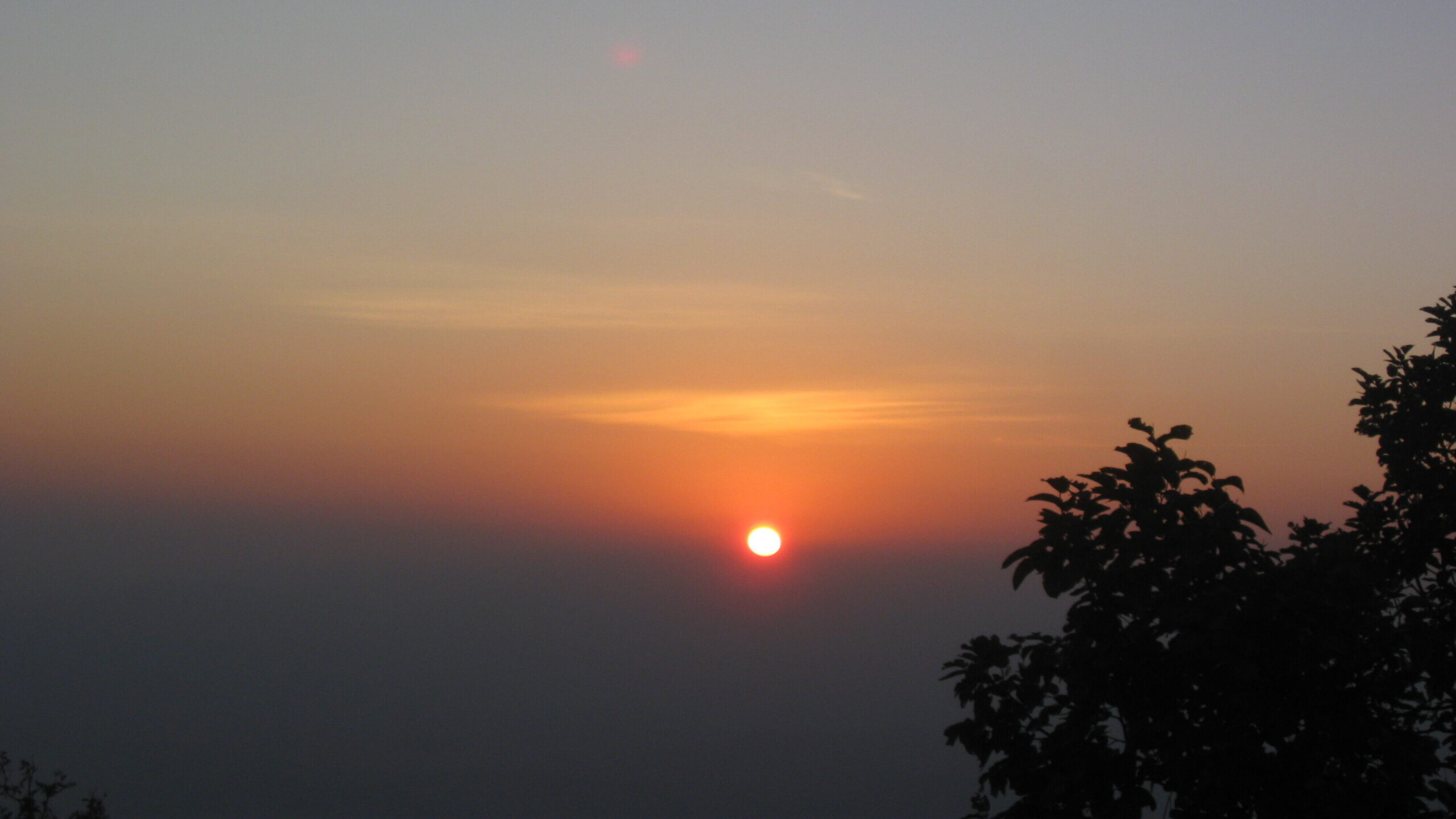
It was December. The winter season is a perfect holiday time for travellers. So we had planned a short holiday trip to the three crowns of the Choto Nagpur Plateau in Jharkhand: Ranchi, Netarhat & Betla.
HISTORY OF JHARKHAND:–
The history of the state of Jharkhand is more than 100 years old. The description of Jharkhand is also found in the Vedic books. Jharkhand is called Muranad in the Vayu Purana, and it is known as Mund in the Vishnu Purana. The Chota Nagpur region was known as Pundarik during the Mahabharat period. In some Buddhist texts, there is a description of the Chinese Buddhist monk Faxian coming to India. Faxian was a Chinese Buddhist monk who traveled on foot from China to India, visiting many sacred Buddhist sites. Jharkhand has also been described by the Chinese traveler Yuwan Chwang, the Iranian traveler Abdul Latif, and the Iranian religious teacher, Mullah Bahbahani.
Jharkhand has a unique geographical, demographic, and historical composition. According to some historians, there was already a distinct geo-political & cultural entity in the area which we know as Jharkhand even before the period of the Magadha Empire.
The indigenous people of the Jharkhand region fought against the British to protect their interests. Many revolts took place from 1771 to 1900 A.D. The two brothers, Sidhu and Kanhu, spearheaded the Santhal Rebellion in 1855. The demand for the separate state of Jharkhand continued during the British rule in India. In 1948, the Dar Commission rejected the plea for a separate Jharkhand on linguistic grounds.
In August 1989, the Union Home Ministry formed a committee to look at Jharkhand Matters. In 1995, the Jharkhand Area Autonomous Council was set up. Finally, on 15th November 2000, Jharkhand became the 28th state of India with 24 districts. It was part of the Bihar district. But after separation due to political issue, Kodarma district has been divided into two state, this Kodarma is also famous for Jhumritaliya. The state is surrounded by lush green jungles, waterfalls, temples, and more. Jharkhand is also known for its tribal culture and, of course, NAXALITE movements.
CULTURE OF JHARKHAND:–
DAY 1:–
We had started our journey to Jharkhand from Ranchi, the capital of the state. The cities are also known for M.S.Dhoni’s birthplace and the famous mental hospital. As per our plan, we had booked Hotel Hans Vihar of JTDC for three days, the next two were reserved for NETARHAT and BETLA, respectively. First day was free to explore the city on foot for local cuisine - Litti Chokha, Dhuska, and Malpua. We had to stay in Ranchi city till 9.10 pm. The city is safe for tourists. Ranchi is safer for a person going from a location smaller than Ranchi and safer for someone coming from a place larger than Ranchi. Ranchi is likewise safe for visitors from all around India, and it is even safer for those from outside India.